

The Second Act
The Second Act / An insights4org series
What happens after the exit?
An acquisition agreement has a closing date. Its consequences rarely do. We examine what founders sold, what they were obliged to keep doing, and how they chose to spend the years that followed.
Latest case studies
08 / The Second Act
The Same Asset, Eleven Years and Two Different Buyers
Robin Thurston sold MapMyFitness to Under Armour in 2013. Eleven years later, Outside, the company he led, acquired it again with a fundamentally different business thesis.
Read case study

The Company She Sold Came Back With New Obligations
Zoë Foster Blake sold control of Go-To Skincare, retained a stake and faced a buyer in administration. Buying control back required new capital, company cash and borrowing.
Read case study
He Sold Kobo but Negotiated a Reason to Stay
Michael Serbinis sold Kobo to Rakuten but negotiated participation in its future growth. Two years later, he stepped away and built a different business in healthcare.
Read case study
The Second Business Was a Copy of the First
Oliver Cookson returned to sports nutrition after selling Myprotein. Years later, he publicly questioned the reason he had built Go Nutrition, and tried a different starting point with Verve.
Read case study
Peter Rahal Was Better at Operating Than Waiting
After the RXBAR sale, Peter Rahal tried investing. The slow feedback and distance from daily decisions eventually drew him back into building food companies.
Read case study

When Giving Money Away Became the Harder Business
Nick Jenkins knew how to measure the success of a greeting card business. After selling Moonpig, he found that spending money on a good cause was easier than proving what it achieved.
Read case study
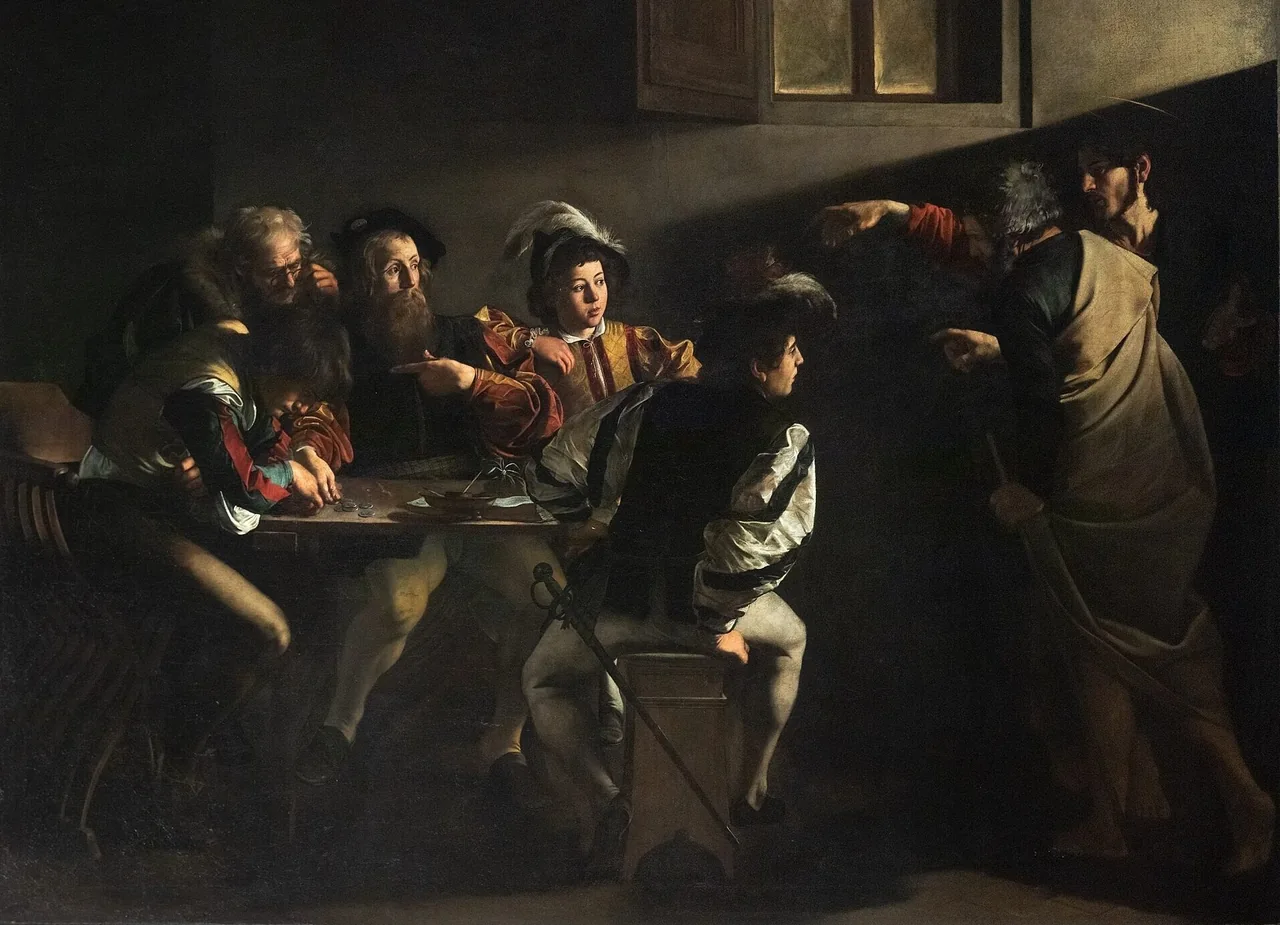
After Selling Beds, He Went Looking for Castles
Mike Clare left Dreams with a fortune and a reason to rest. He built a second company around castles and sea forts, yet continued trying to find his way back to the beds business.
Read case study
The Founder Who Sold His Working Life
Jake Kassan stayed at MVMT after Movado bought it. The acquisition settled who owned the company. It did not settle what Kassan wanted to do next.
Read case study